
ChatGPT’s Ghibli-Style Trend: A Critical Reflection
The recent AI-generated Ghibli-style trend swept across social media, captivating audiences with its dreamy visuals and nostalgic charm. Almost overnight, creators, businesses, and individuals rushed to generate and share their own AI-crafted scenes, using them for branding, personal expression, and even professional marketing. But now, as the trend reaches saturation, one critical question emerges — what have we learned from it?
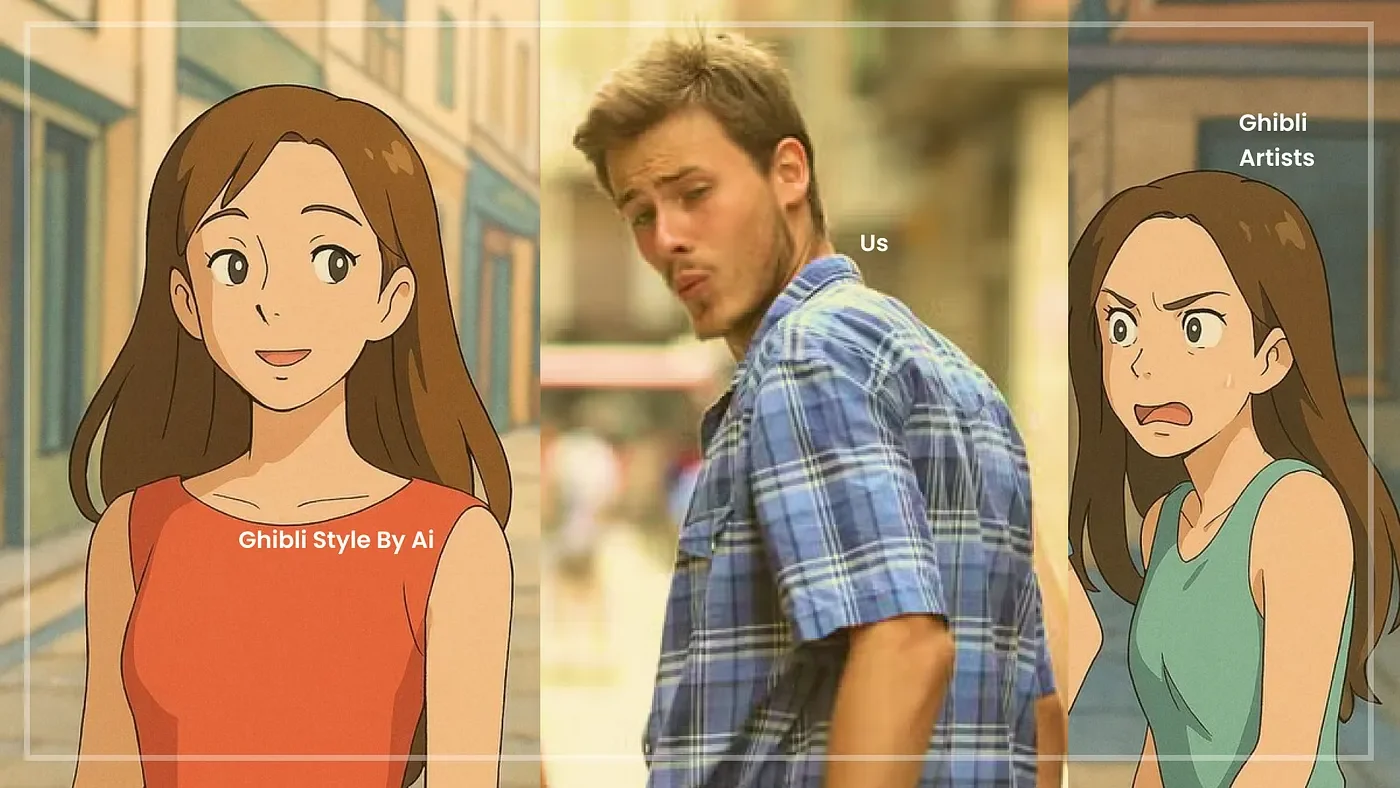
This isn’t just about AI art. It’s about the patterns of digital consumption, the devaluation of creativity, and our role in shaping the meaning of what we consume.
The Cycle of Overconsumption: When Art Becomes Disposable
What happens when something that once took years of mastery to create can be generated in seconds? The answer is simple: it loses its perceived value.
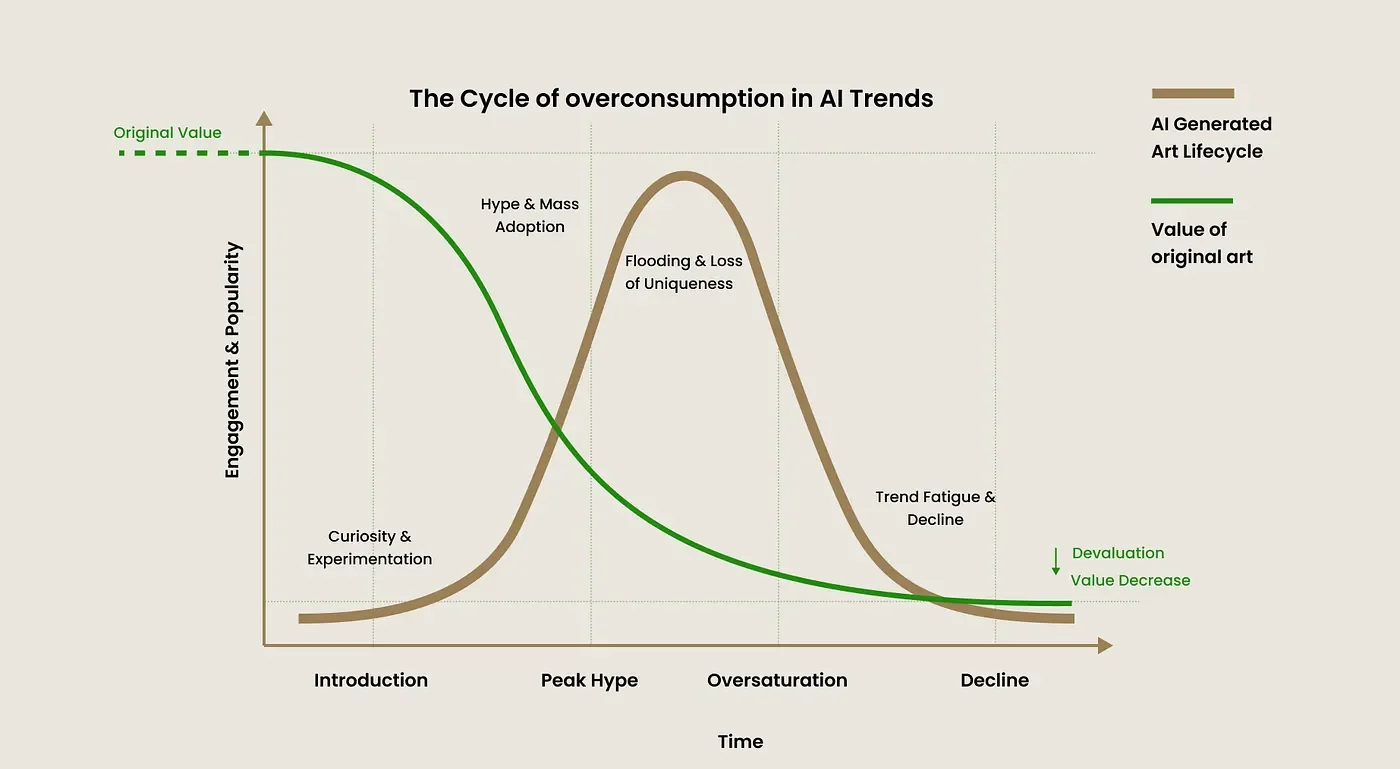
Visualising Consumption Trends
The Ghibli trend isn’t the first example of AI-powered art flooding the internet. We’ve seen similar waves before — AI avatars, AI anime portraits, AI-generated music, and more. Each time, there’s a burst of excitement, followed by an oversaturation of content, and then an eventual decline. What remains is an ocean of forgotten visuals, a digital graveyard of once-trending styles. The faster something is produced, the faster it is forgotten.
But this isn’t AI’s fault. The tool doesn’t dictate how we use it — we do.
Do We Value Art or Just Visuals?
AI has proven it can replicate artistic styles with remarkable accuracy. But does that make something art, or just a visual? Art has always been about more than aesthetics — it’s about intention, storytelling, and human expression. When an AI tool mimics a style, does it carry the same weight as an artist who spends years refining their craft?
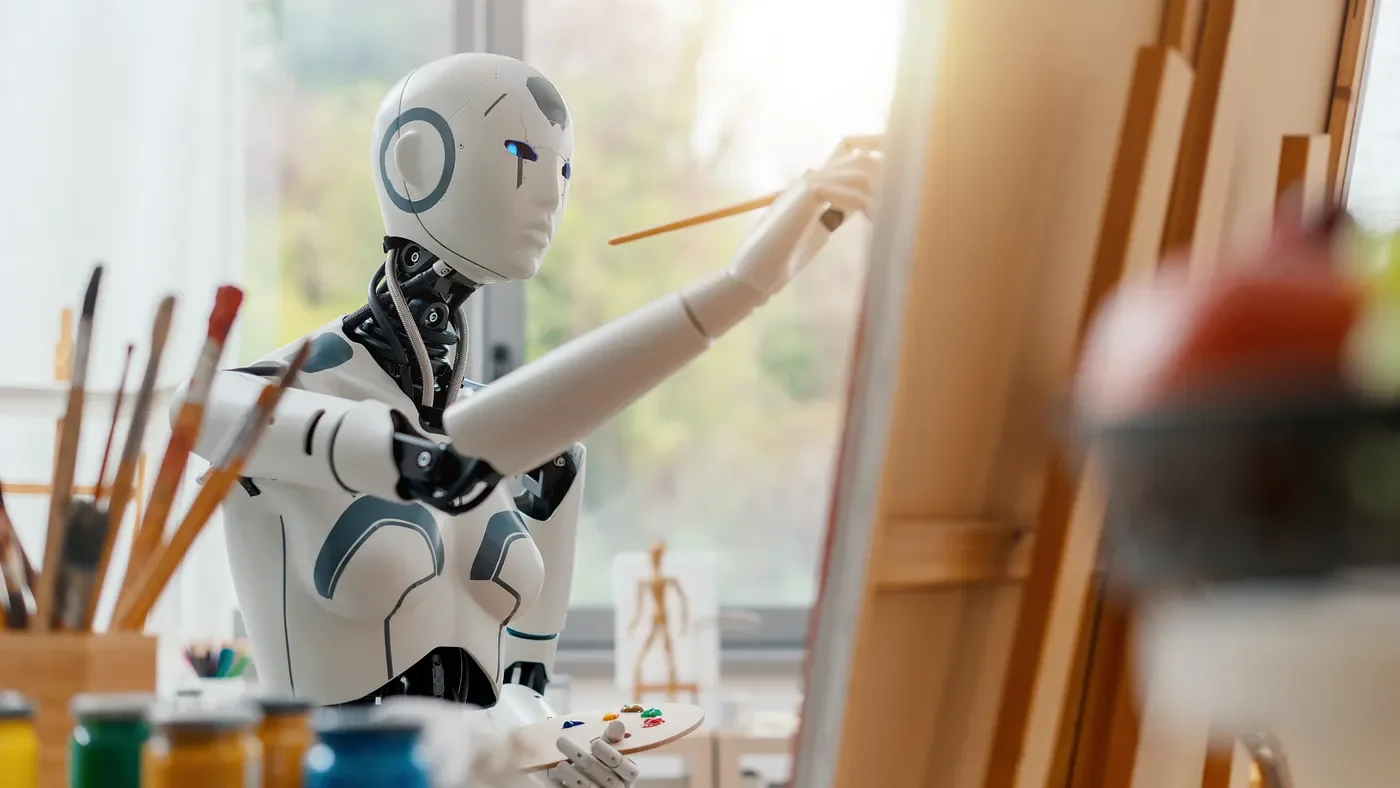
Let’s take an example: A handmade ceramic bowl carries the marks of its maker, slight imperfections that make it unique. In contrast, a mass-produced bowl from a factory might be identical to thousands of others, lacking the personal touch. Both serve the same function, but which one do we cherish more? AI-generated art might be visually stunning, but does it carry the depth of human creativity, struggle, and emotion?
Authenticity vs. Attention: The Social Media Effect
Social media thrives on fleeting trends, and the Ghibli-style AI explosion was no exception. Businesses, influencers, and individuals jumped on it — not because they resonated with the art, but because it was trending.
A friend shared how, at her agency, multiple clients requested Ghibli-style promotions overnight, eager to stay relevant.
This raises a deeper question:
Are we using creative tools for meaningful expression, or simply chasing what gets the most attention?
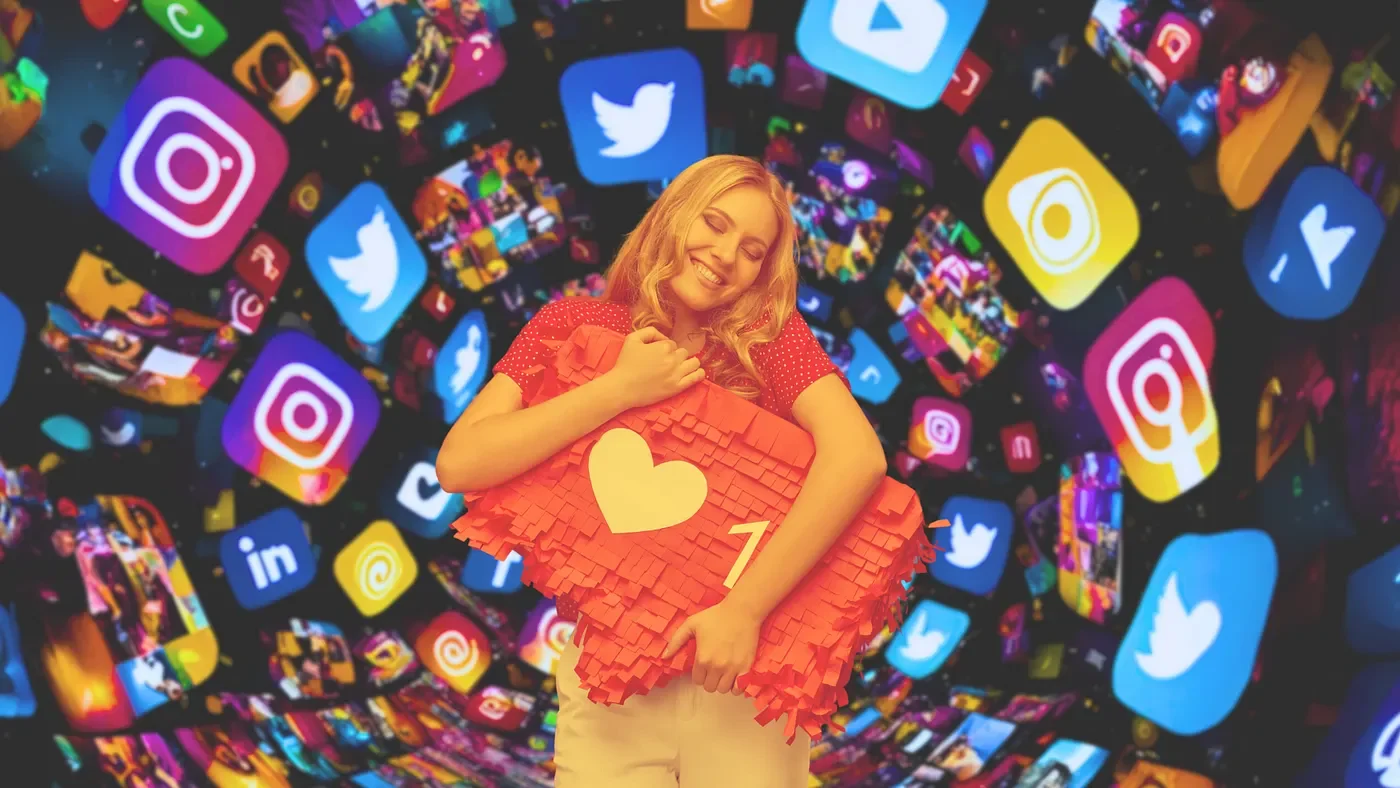
This raises an important question — are we shaping AI, or is AI shaping us?
The Real Challenge: The way we consume
The core issue isn’t whether AI should generate art. The real question is: How do we, as consumers, engage with it?
Do we pause to appreciate what we consume, or do we mindlessly scroll to the next trend?
Do we care about where something comes from, or just how fast it reaches us?
Do we value originality, or are we content with replication?
AI is not inherently good or bad. It’s a tool. But like any tool, it depends on how we use it. If we treat AI-generated art as disposable content, then we are the ones devaluing creativity — not the technology itself.
Looking Ahead: The Future of Art in an AI World
As AI continues to evolve, it will become even easier to create hyper-realistic visuals, compose music, and even write stories. But does infinite creation mean infinite value?
The answer lies in mindful consumption — not rejecting AI, but choosing what truly matters.
Support human artists who bring originality and depth to their work.
Use AI as a tool for creativity, not a replacement for it.
Pause before sharing or consuming content — ask yourself, does this add value, or is it just another disposable trend?
AI can generate images, music, and even poetry. But can it care? The responsibility of giving art meaning, purpose, and longevity lies with us. If everything is infinite, does anything still hold meaning?
The challenge isn’t just about AI — it’s about how we, as consumers, choose to engage with creativity in a world where everything is abundant, but attention is scarce.
So, what do you think? Are we shaping AI, or is AI shaping us? Let’s discuss.
